- Feedback
- About
- Certificates
- Clientele
- Installations
- Testimonials
- Contact
- Career
- Get Quote


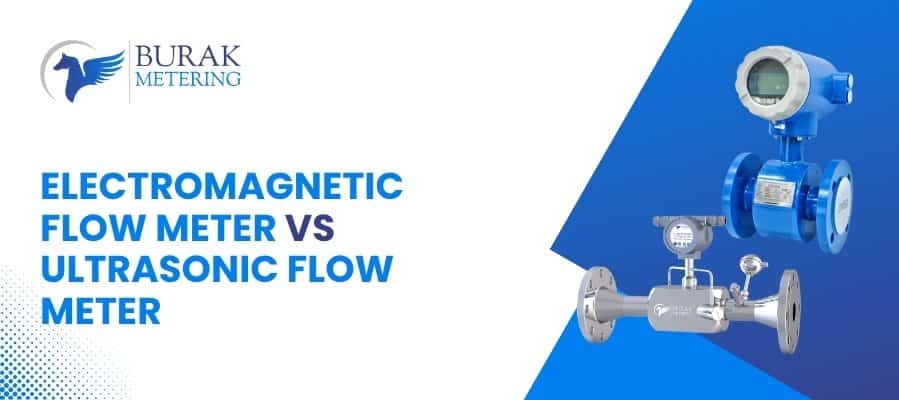
Electromagnetic Flowmeter vs Ultrasonic Flowmeter – What Fits Best in Your Industrial Process?

Saeed Lanjekar
07 Nov, 2025
5 Minutes
TL;DR
- Electromagnetic flow meters are designed to work with conductive liquids and offer high accuracy.
- Ultrasonic flow meters handle non-conductive fluids and allow non-intrusive installation, but may have lower accuracy under some conditions.
- Choose based on fluid conductivity, pipe constraints, accuracy needs, and installation ease.
When you compare two major flow measurement technologies
You find that each flowmeter works best in certain situations.
Below you will find how these flow meter works, where it fits, and how to choose between them for your industrial applications needs.
How they work
Electromagnetic flow meters
Electromagnetic flow meters use the principle of electromagnetic induction. A conductive fluid flows through a magnetic field inside the meter. That movement induces a voltage, which the meter detects via its electrodes. The voltage is proportional to the fluid velocity.
Learn More:→ What Are Electromagnetic Flow Meters? Principles, Benefits & Applications
Ultrasonic flow meters
Ultrasonic flow meters use sound waves. They send pulses either upstream and downstream of the flow (transit-time method) or reflect sound off particles in the fluid (Doppler method). The differences in time or frequency give a measure of the velocity of the fluid.
What types of media and conditions do they suit
Electromagnetic flow meter
Electromagnetic meters are ideal for conductive liquids (for example, water with ions, slurries). They will not work well with non-conductive media like oils or hydrocarbons.
Ultrasonic flow meter
Ultrasonic meters can be used for non-conductive liquids and in some cases, gases (depending on the type). They also offer non-invasive installation options (clamp-on) for large pipes.
Key advantages and limitations of the Electromagnetic Flowmeter and Ultrasonic Flowmeter
Electromagnetic flow meters – Advantages:
- No moving parts, so lower maintenance.
- Good accuracy for conductive fluids.
- Minimal pressure drop.
Electromagnetic flow meters – Limitations:
- Only works for conductive media.
- Installation may require special lining or pipe conditions.
Ultrasonic meters – Advantages:
- It can be installed without cutting the pipe (clamp-on) in some cases.
- Suitable for large diameter pipes and non-invasive setups.
Ultrasonic meters – Limitations:
- Accuracy may drop when there are air bubbles, solids or turbulence.
- Slightly less accuracy compared to the best electromagnetic meters for some applications.
Start optimizing your process with India’s top gas flowmeter manufacturer.
Key Differences Between an Electromagnetic Flowmeter vs Ultrasonic Flowmeter
| Feature | Electromagnetic Flow Meter | Ultrasonic Flow Meter |
|---|---|---|
| Fluid type | Conductive liquids only (e.g., water, slurries) | Conductive & non-conductive liquids, and gases in some cases |
| Installation | Inline; requires cut-in pipe; full tube must be filled | Inline or clamp-on; clamp-on allows no pipe cut; may handle large diameters |
| Accuracy | High accuracy possible; less affected by bubbles/solids in many cases | Good accuracy but can degrade if many solids, bubbles or pipe issues exist ) |
| Cost | Generally lower cost for typical applications | Higher up-front cost, especially for clamp-on models or large pipe sizes |
| Maintenance | Few moving parts; electrodes may need cleaning if scale builds up | Very low mechanical wear; installation quality and signal path matter more |
| Limitations | Cannot measure non-conductive fluids (e.g., oil, gases) | Sensitive to solids, bubbles, pipe wall condition, or partial-filled pipes |
| Pressure drop | Negligible | Negligible |
| Best Use Case | Slurries, dirty water, conductive liquids | Non-conductive fluids, retrofit large pipes |
Applications and Suitability
When electromagnetic flow meters shine:
- Measuring wastewater, slurries, pulp & paper, or aggressive chemicals where fluid is conductive.
- Environments where the flow tube is full and stable.
When ultrasonic flow meters shine:
- Measuring clean liquids, oils, non-conductive fluids, or gaseous media.
- Applications where clamp-on installation is preferred, e.g., large diameter pipes or retrofit situations.
Get a custom quote for our ultrasonic & electromagnetic meters.
Choosing the Right Meter for Your Industrial Needs
Start by assessing the fluid and the pipeline:
- Conductivity: If the fluid is conductive and the pipeline is full, an electromagnetic meter is a strong option.
- Fluid type: If fluid is non-conductive (oil, pure water, gas) or you want a non-invasive installation, an ultrasonic may be better.
- Installation constraints: If shutting down or cutting the pipe is costly or difficult, a clamp-on ultrasonic option may reduce downtime.
- Flow profile & pipe condition: Ultrasonic meters require good installation conditions (straight runs, well-filled pipe, minimal bubbles/solids) for best performance. Electromagnetic meters are less sensitive to certain kinds of flow disturbances.
- Budget & maintenance: Consider both initial cost and long-term maintenance. For example, ultrasonic may cost more but have lower maintenance; electromagnetic may cost less but may require regular electrode cleaning.
- Accuracy needs: If very high accuracy is needed in harsh conditions (e.g., slurry), electromagnetic may provide better value; if versatility and non-invasive are priorities, the ultrasonic option may win.
Here are some questions to ask when choosing:
- Is the fluid conductive? If yes, an electromagnetic meter may be the better fit. If not, an ultrasonic meter might be required.
- Is the fluid clean, or does it carry many solids/bubbles? Ultrasonic meters may struggle with many bubbles or solids.
- Do you prefer non-intrusive installation (e.g., clamp-on) to avoid shutting down the line? Then, ultrasonics may have an edge.
- Do you need very high accuracy for conductive fluid? Electromagnetic may deliver better accuracy in that scenario.
- What is the pipe diameter and flow profile? Large diameters may favour ultrasonic clamp-on designs; smaller diameters with conductive fluid may favour electromagnetic.
Summary
Electromagnetic flow meters and ultrasonic flow meters each offer strong performance in certain use cases.
Magnetic flow meters work best when the fluid is conductive, the installation allows a proper inline setup, and solids/slurries are present.
Ultrasonic meters deliver flexibility for non-conductive fluids, gases, and situations where non-intrusive installation is helpful.
The decision hinges on fluid properties, installation environment, accuracy, and budget constraints.
Talk to our expert now about your measurement challenge.
If you need precision flow measurement solutions, Burak Metering is an excellent choice as a top gas flowmeter manufacturer in India. Burak offers both electromagnetic and ultrasonic flow meter technologies with high-quality control, Indian support, and reliable service.
Choose Burak for accurate measurement, expert installation guidance, and durable performance.
At Burak, we specialize in precision flow measurement devices that help industries achieve accurate monitoring and efficient operations. As a leading gas flow meter manufacturer in India, Burak offers both electromagnetic and ultrasonic flow meter technologies with high-quality control, Indian support, and reliable service.
Partner with Burak to enhance process safety, optimize energy use, and reduce maintenance costs.
Contact us today to discuss your requirements and learn how our expertise can support your industrial systems.
Share this post


I’m Saeed Lanjekar, founder of Burak Metering. With a background in engineering and technology, I’ve dedicated my career to creating advanced metering solutions that push the boundaries of accuracy and efficiency. At Burak Metering, we’re committed to delivering top-notch technology and driving innovation in the metering industry.
Products
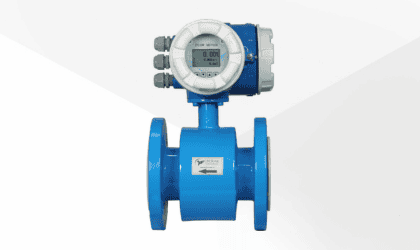
Electromagnetic Flowmeter Manufacturer in India
Electromagnetic Flowmeter Manufacturer in India
Burak Metering is a leading electromagnetic flow meter manufacturer in India, offering precision, reliability, and custom-engineered mag flow measure…
Learn More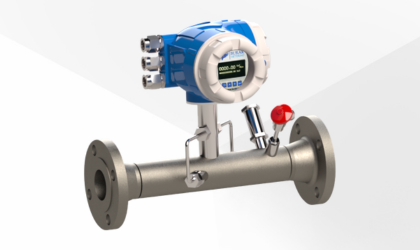
Ultrasonic Gas Flow Meter
Ultrasonic Gas Flow Meter
The BU-7010 Ultrasonic Gas Flow Meter is built for industrial facilities that need accurate, low-maintenance gas measurement. It measures natural gas…
Learn MoreModels
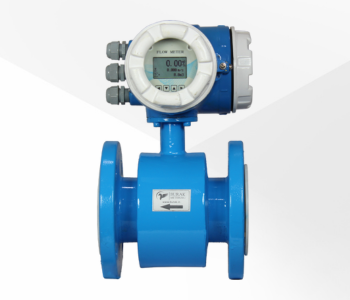
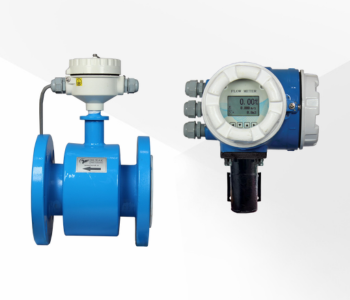
BE-5000-G
Electromagnetic Flow Meter with intergral display
- Liquid : Water, Waste water and Chemicals
- Conductivity: > 5 μS/cm
- Liner: PTFE & Neoprene
- Pipe Size: DN15 to DN150
- Display: Integral
- 4-20mA, RS 485 Modbus, Pulse
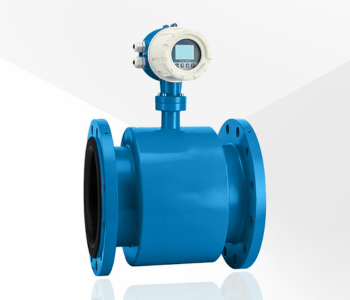
BE-5000-GR
Electromagnetic Flow Meter with remote display
- Liquid : Water, Waste water and Chemicals
- Conductivity: > 5 μS/cm
- Liner: PTFE & Neoprene
- Pipe Size: DN15 to DN500
- Display: Remote with 3 Meter cable
- 4-20mA, RS 485 Modbus, Pulse
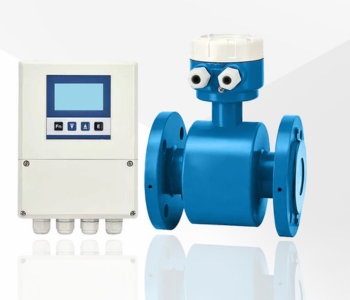
BE-5500-G
Slurry Electromagnetic Flow Meter with intergral display
- Liquid : Slurries & sludges, Effluent, Sewage and Papermaking
- Conductivity: > 5 μS/cm
- Liner: PTFE, Neoprene, Polyurethane & PFA
- Pipe Size: DN15 to DN150
- Display: Integral
- 4-20mA-Hart, Pulse
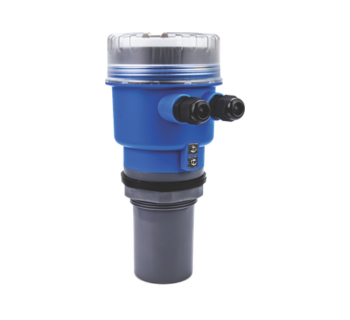
BE-5500-GR
Slurry Electromagnetic Flow Meter with Remote display
- Liquid : Slurries & sludges, Effluent, Sewage and Papermaking
- Conductivity: > 5 μS/cm
- Liner: PTFE, Neoprene, Polyurethane & PFA
- Pipe Size: DN15 to DN500
- Display: Remote with 3 Meter cable
- OUTPUT: 4-20mA-Hart, Pulse
UT-1100
Ultrasonic Level Transmitter with 4-20mA, 2-wire HART Protocol
- Water, Chemical, Effluent, Slurry, Solvent & Solid
- Display: Graphical LCD
- Range: 0 - 15 meters
- Resolution: 5 mm
- Measuring: Level & Volume
- Output: 4-20mA, 2-wire HART
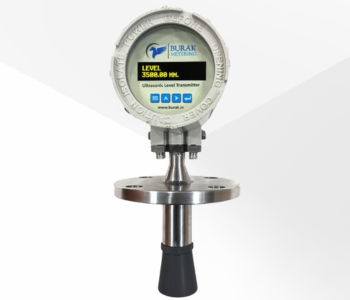
UT-1000
Ultrasonic Level Transmitter with 4-20mA, 3-wire & RS 485 Modbus
- Water, Chemical, Effluent, Slurry, Solvent & Solid
- Display: OLED Display
- Range: 0 - 7 meters
- Resolution: 1 mm
- Measuring: Level, Distance
- Output: 4-20mA, 3-wire
Related Blogs

 Email
Email
 WhatsApp
 Phone
Phone
Newsletter
Subscribe to our newsletter for updates!