- Feedback
- About
- Certificates
- Clientele
- Installations
- Testimonials
- Contact
- Career
- Get Quote


Differential Pressure Transmitter: How It Works & Uses

Saeed Lanjekar
28 Nov, 2026
7 Minutes

A differential pressure transmitter measures the difference in pressure between two points and converts it to a standard 4-20 mA signal. Plants use these transmitters to measure liquid and gas flow, level and condition of filters.
If you are a process engineer or EPC buyer, this guide explains how a differential pressure transmitter works and when it is used to help you determine if it should be specified in your design.
How Does a Differential Pressure Transmitter Work?
Differential pressure transmitters measure and output a signal representative of the difference in pressure between the high and low pressure ports. Recent designs employ thin diaphragms of a capacitive design.
Here is what happens inside, step by step:
- Process pressure acts on the isolating diaphragms: These diaphragms are used to protect the elements in the transmitter from the process fluid.
- Fill fluid transmits the force: A fluid, typically silicone oil, transfers the force to a diaphragm, which is located in the center of the cell.
- The diaphragm moves closer to the low-pressure side: The movement of the diaphragm is extremely small.
- Capacitance changes on both sides of the diaphragm: The gap on one side of the diaphragm shrinks while the gap on the other side expands.
- Electronics change the capacitance: Resulting in an output signal of 4-20 mA, which may also include HART communications.
Capacitance depends inversely on the distance between plates. So the low-pressure side capacitance rises while the high-pressure side falls.
Why do isolating diaphragms matter?
They also have an isolating diaphragm, which is filled with a fluid, to protect the sensor from over pressure. The combination of these two diaphragms gives the instrument a good degree of over range protection. This comes in handy when a valve suddenly closes or when a process line is surged.
Is a digital differential pressure transmitter different?
Adding a microprocessor to a differential pressure transmitter allows for linearization and compensation for various temperatures, along with additional diagnostics. The fundamental principle of operation remains the same.
Remote reranging, trimming and verification have removed the need for a technician to climb the pipe rack to make those adjustments. Now you can do it from the comfort of your desk. Not many people would complain about that.
Fast facts worth knowing
- A 4:1 drop in flow means a 16:1 drop in DP, because flow follows the square root.
- ISO 5167-2:2022 covers orifice plates, nozzles and Venturi tubes in pipes above 50 mm.
- ISO 5167-2 sets the orifice plate beta ratio limits at 0.10 to 0.75.
- HART rides on the 4–20 mA loop using Bell 202 FSK signalling.
- Pressure and temperature limits depend on the primary element and flange rating, so check each project's spec.
What Are the Three Main Uses of a Differential Pressure Transmitter?
One instrument can be used for measuring flow, level and filter monitoring. The principle of operation remains the same in all the three applications. Only the arrangement of the piping and the associated calculations change.
1. Flow Measurement
The differential pressure transmitter measures the pressure drop across an obstruction to flow such as an orifice plate, Venturi, or cone. The control system converts the pressure drop to flow rate.
2. Level Measurement
In a closed tank, the differential pressure transmitter measures the pressure at the bottom of the tank compared to the vapor space above and gives an indication of the level of liquid in the tank.
- The high-pressure port connects near the tank bottom.
- The low-pressure port connects to the top, so tank pressure cancels out.
- The remaining signal reflects liquid height and density.
Two impulse-line setups are common:
- Dry leg: the low-side line stays empty (gas-filled). It suits clean, non-condensing vapour.
- Wet leg: the low-side line is filled with a reference liquid. It suits vapours that condense, like steam.
A wet leg adds a fixed pressure offset, so you must set zero suppression or elevation in the transmitter. Skip that step, and your level reads wrong from day one.
It is a go-to choice for pressurized vessels, boilers and distillation columns where open-tank tools fall short.
3. Filter and Differential Monitoring
A clean filter has very little pressure drop. A clogged filter has a high pressure drop. Put a differential pressure transmitter across a filter, and you have an obstruction that can be indicated before it effects the process.
Common places you will find this:
- Lube oil and fuel filters
- Strainers and baghouse filters
- HVAC and cleanroom filters
The result: maintenance happens when the data says so, not on a guess.
How Is a Differential Pressure Transmitter Used for Flow Measurement?
A differential pressure transmitter measures the pressure drop across a restriction, and when applied to flow measurement, flow is proportional to the square root of the pressure drop. This is the DP flow method.
The differential pressure transmitter is the sensor and the restriction is the primary element. Both are required.
Which primary elements pair with it?
- Orifice plate: simple, low cost, and the most widely used. See our guide on orifice plate flow meter.
- Venturi tube: lower permanent pressure loss, good for large lines and dirty fluids. See our guide on Venturi flow meter.
- Cone meter: handles short straight runs and tougher fluids. See our guide on cone flow meter.
Flow is calculated from the pressure difference before and after an orifice plate. The transmitter does that sensing job.
The square-root rule that trips people up
Flow rises with the square root of DP. So a 4:1 turndown in flow becomes a 16:1 turndown in DP. At low flow, the signal gets very small, and accuracy drops.
Missing square-root extraction is a common cause of misread flow totals. Check whether the transmitter or the DCS does the extraction. Do not let both do it, or neither.
Standards you should know
ISO 5167-2:2022 covers orifice plates, nozzles and Venturi tubes in pipes larger than 50 mm. Following it keeps flow uncertainty predictable and calculable. Actual uncertainty depends on the primary element, installation and fluid data.
What is a multivariable transmitter, and when do you need one?
A multivariable transmitter measures differential pressure, static pressure and process temperature in one device. It then calculates compensated mass flow on board.
Gas and steam density changes with pressure and temperature, so a plain DP signal drifts. A multivariable unit fixes that without extra transmitters.
- Fewer devices: one instrument replaces three.
- Better mass flow: live compensation keeps the number honest as conditions change.
- Best fit: steam, compressed gas and fuel gas lines.
For a differential pressure transmitter for temperature compensation, note one thing: the DP cell does not sense temperature. A multivariable unit adds a temperature input (usually an RTD) so the calculation can correct for it.
Multivariable features differ from one product to another. Always check the datasheet for supported inputs and calculations.
How Do You Select the Right DP Transmitter?
Start with range, then accuracy, then materials, then output. Get these four right, and most differential pressure transmitter selection problems disappear. Specs differ between products, so always confirm against the datasheet.
Quick selection checklist
Range and accuracy
Pick a range that encompasses normal operation. A differential pressure transmitter ranges too wide wastes accuracy. A transmitter ranged too narrow clips during process upsets.
Accuracy is application dependent and varies by manufacturer. It generally worsens as the span is reduced. Always check the datasheet to get the exact figure at the span of interest.
Do you need a remote diaphragm seal?
A remote diaphragm seal is used to protect the transmitter from hot, corrosive, viscous and clogging process fluids. A capillary line carries the process fluid to the transmitter cell.
Use one when:
- Process temperature is too high for direct mounting
- The fluid is sticky, crystallizing, or slurry-like
- Hygiene rules apply
Trade-off: seals add cost, so size them with your supplier.
Wetted materials
The diaphragm is in contact with your process. Diaphragms are typically made of stainless steel and are suitable for water and most hydrocarbons. Other media require the use of remote diaphragm seals. Using the wrong diaphragm material can turn your expensive transmitter into an expensive paperweight quickly.
HART and 4–20 mA
4–20 mA is the analogue backbone of most plants. HART puts digital process data on top of that signal, so you keep the same two wires and gain diagnostics and remote configuration.
Fieldbus options exist too. Many models also support PROFIBUS PA and FOUNDATION Fieldbus alongside HART.
How does it compare with a standard pressure transmitter?
A standard pressure transmitter reads one pressure value against a reference. A differential pressure transmitter reads the difference between two pressure values. Buy the wrong one and your flow or level measurement is worthless.
What installation mistakes hurt a differential pressure transmitter?
Most field problems come from the impulse lines, not the sensor. Watch for these:
- Trapped air in liquid lines or liquid in gas lines
- Blocked or leaking impulse tubing
- Skipped zero trim after mounting
- Wrong equalizing valve sequence during startup
A good DP transmitter supplier will share a simple commissioning checklist. Ask for it.
Which DP transmitter manufacturer or supplier should you trust?
Look past the price. A good DP transmitter supplier gives you:
- Calibration certificates traceable to a standard
- Hazardous-area approvals that match your site
- Material test reports for wetted parts
- Local support, spares and clear lead times
For EPC projects, ask one more question: can they supply the transmitter, manifold and primary element as a matched package? It cuts interface headaches.
Where Else Do Industries Use DP Transmitters?
Almost every process plant has a few, from a basic pressure transmitter to a smart digital differential pressure transmitter. Sectors that rely on a DP transmitter:
- Oil and gas: custody transfer, separators, compressor monitoring
- Power: steam flow, boiler drum level, feedwater
- Water and wastewater: pump stations, filter beds
- Chemicals: reactor level, distillation columns
- Pharma and food: filter integrity, clean-in-place flow
FAQs
1. What is the use of a DP transmitter?
To measure differences in pressure and hence level, flow and pressure drop across filters.
2. What are the major differences between a differential pressure transmitter and a pressure transmitter?
A pressure transmitter measures pressure with respect to a reference. A differential pressure transmitter measures the difference between two pressures.
3. What kind of signal does a differential pressure transmitter give?
Most differential pressure transmitters give a 4 to 20 mA signal with HART communication over the same signal.
4. Can a DP transmitter measure flow without an orifice plate?
No. A differential pressure transmitter measures the difference in pressure across an element that creates the pressure drop.
5. Why are differential pressure signals transmitted after a square root extraction?
Due to the non-linear relationship between differential pressure and flow.
6. How do I select the range of a differential pressure transmitter?
Select the range of the transmitter based on the maximum differential pressure expected, and add a safety factor.
Ready to Specify Your Differential Pressure Transmitter?
Need to specify your DP transmitter? Burak will provide you a quote based on your range, media, and output requirements.
You can also check out our differential pressure flow meter guide to learn about designs such as orifice, Venturi, nozzle and V-Cone.
Share this post


I’m Saeed Lanjekar, founder of Burak Metering. With a background in engineering and technology, I’ve dedicated my career to creating advanced metering solutions that push the boundaries of accuracy and efficiency. At Burak Metering, we’re committed to delivering top-notch technology and driving innovation in the metering industry.
Products
Models
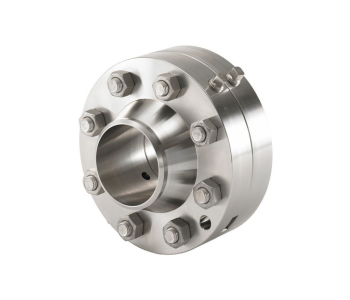
BO-8000
Orifice Flange Assembly
- Media: liquids, gases and steam
- Nominal diameter: size DN50 - DN600
- Flange Material: Carbon steel, SS 304, SS 316
- Plate Material: SS 316, SS 316L
- Design: Square Edge, Quarter Cirle, Eccentric, Conical entrance
- Pressure: max. 160 bar / 2320 psi
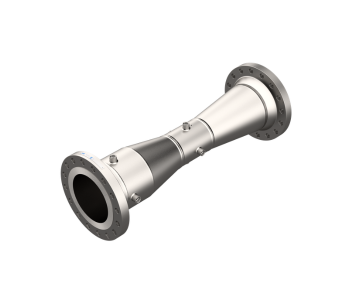
BN-6000
Venturi Meter
- Media: liquids, gases and steam
- Nominal diameter: size DN50 - DN600
- Pipe Material: Carbon steel, SS 304, SS 316
- Connection: Butt welded, flanged
- Design: From Bar, Welded Sheet
- Pressure: max. 160 bar / 2320 psi
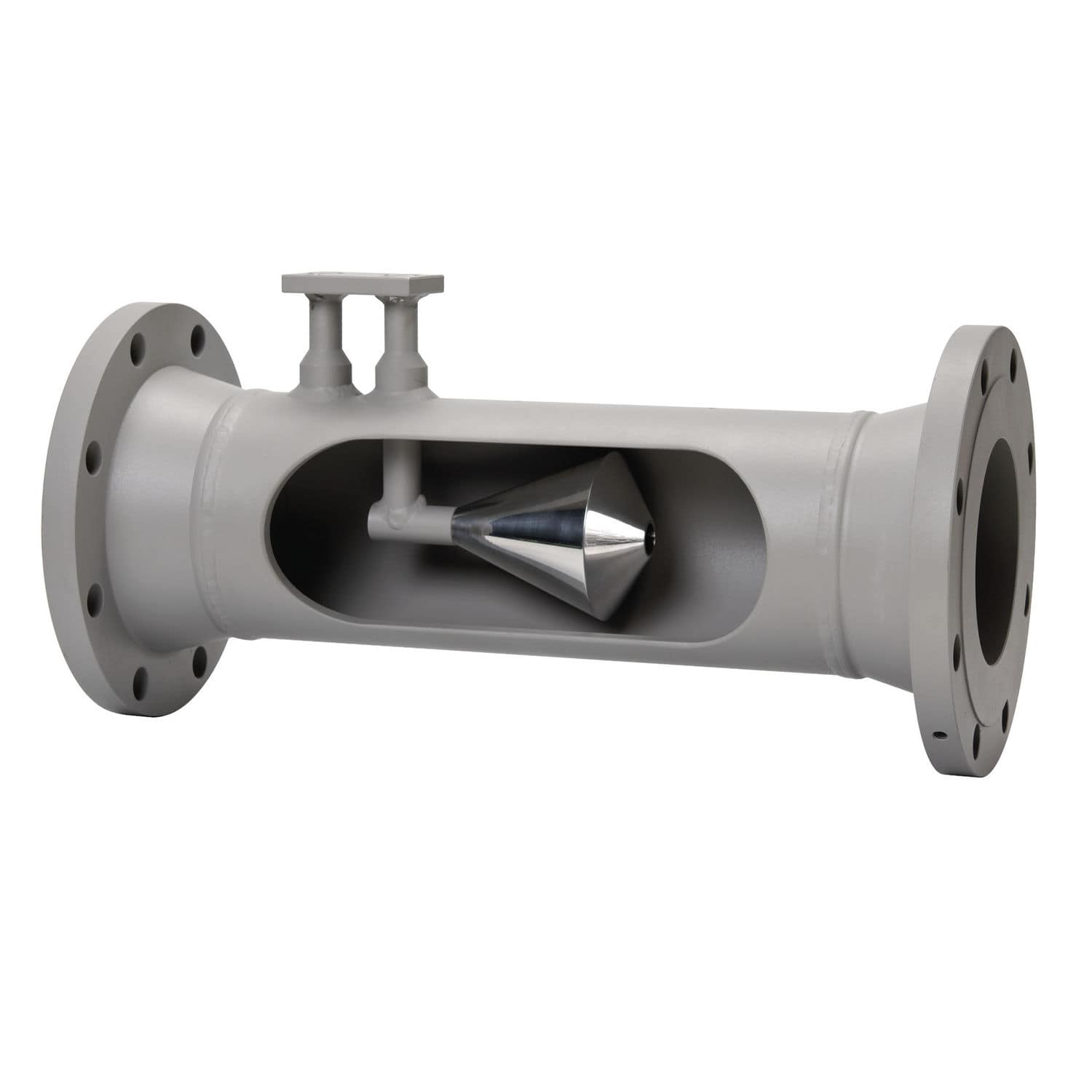
BV-5000
Cone meter
- Media: liquids, gases and steam
- Nominal diameter: size DN25 - DN600
- Pipe Material: Carbon steel, SS 304, SS 316
- Cone Material: SS 316, SS 316L
- Connection: Butt welded, flanged
- Pressure: max.400 bar/ 5802 psi
BP-9000
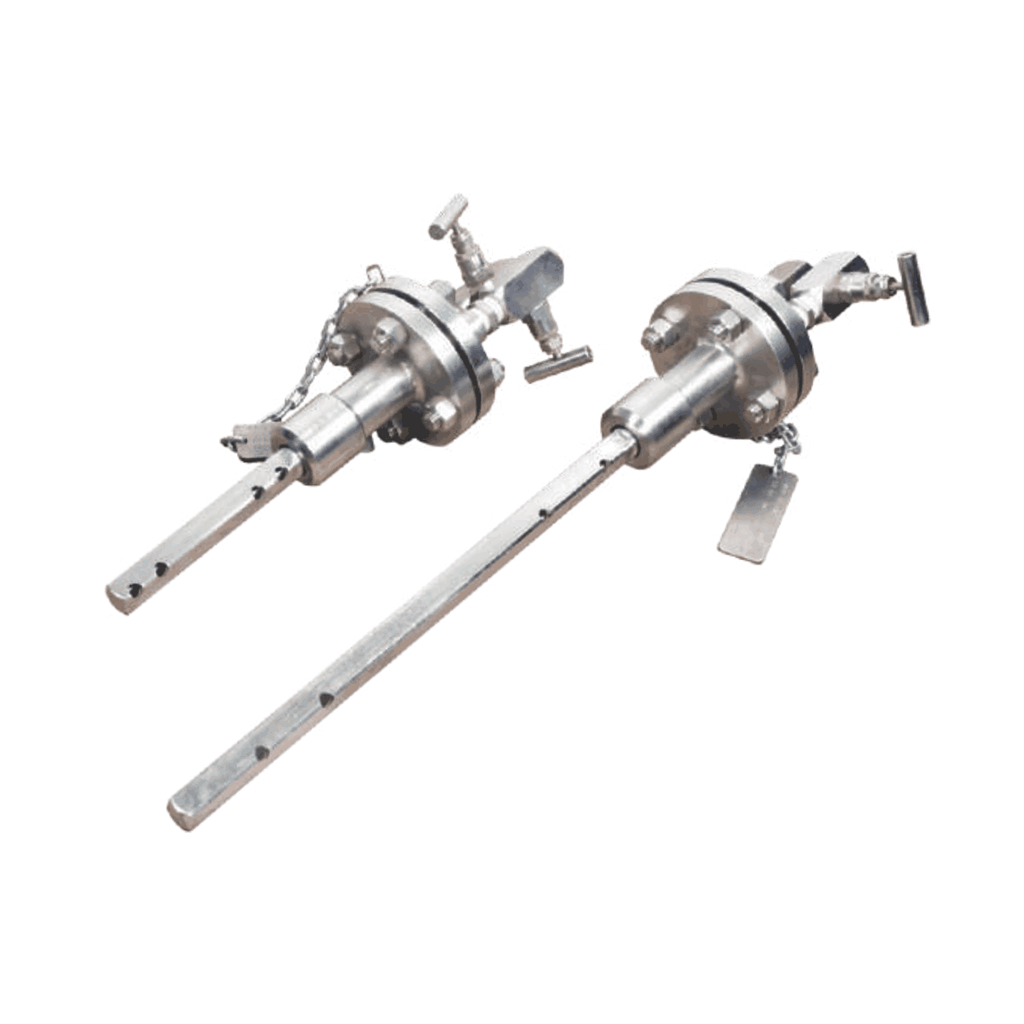
Averaging Pitot Tube
- Media: liquids, gases and steam
- Nominal diameter: size DN50 - DN2500
- Tube Material : Carbon steel, SS 304, SS 316
- Cone Material: SS 316, SS 316L
- Connection: flanged ASME (B 16.5), Weld-in fitting
- Pressure: max. 0...320 bar / 4641.2 psi
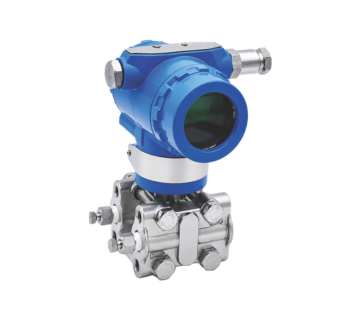
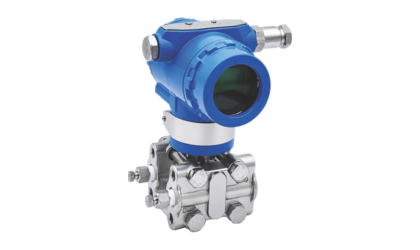
DPT-1000
Differential Pressure Transmitter
- Measurement: Differential Pressure
- Range: 0–10000 mmWC
- Accuracy: ±0.075% of Span
- Output: 4-20 mA with HART
- Media: Gas, Liquid & Steam
- Enclosure: IP66 Die-Cast Aluminium
Related Blogs





 Email
 WhatsApp
 Phone
Newsletter
Subscribe to our newsletter for updates!