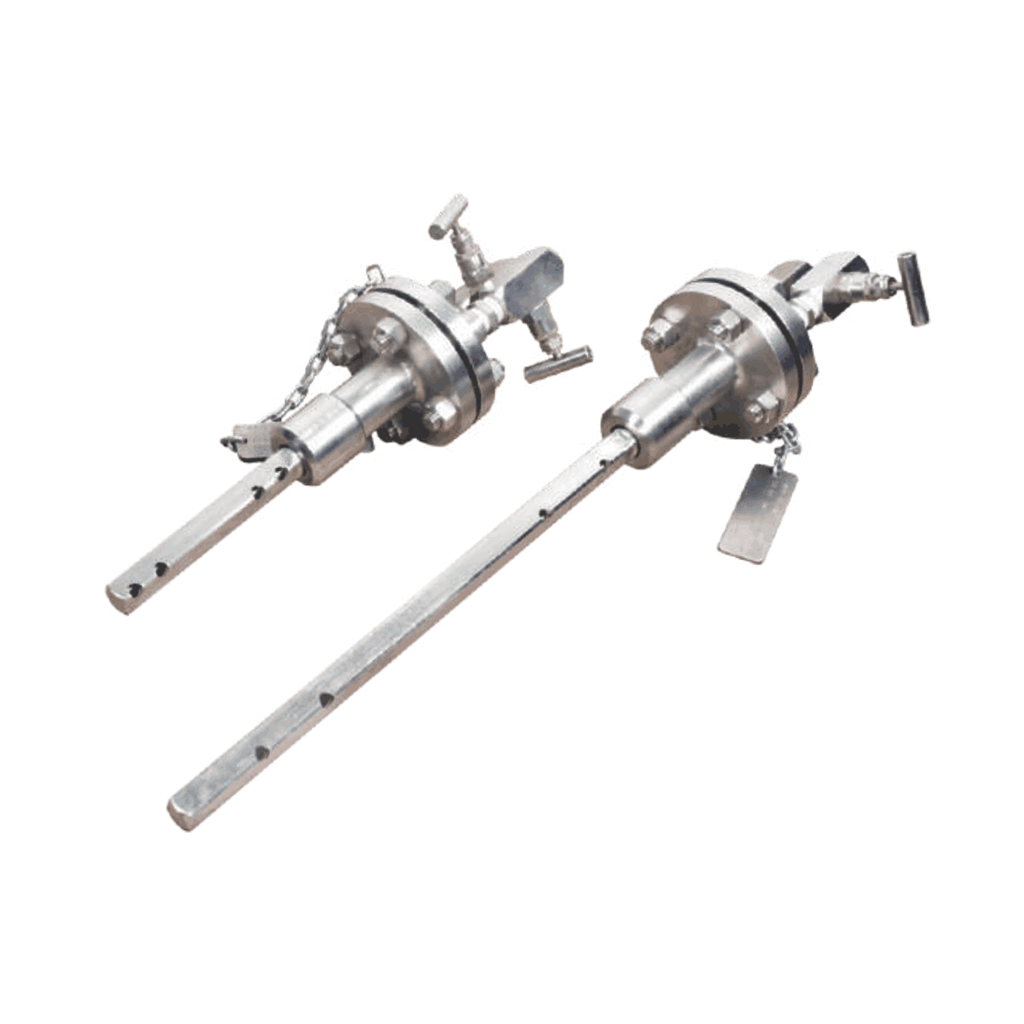
Working Principle of DP Flow Meter
The working principle of a Differential Pressure (DP) Flow Meter is based on Bernoulli's theorem, which states that when the velocity of a fluid increases, its pressure decreases. By measuring the pressure difference created across a flow restriction, the flow rate of the fluid can be accurately determined.
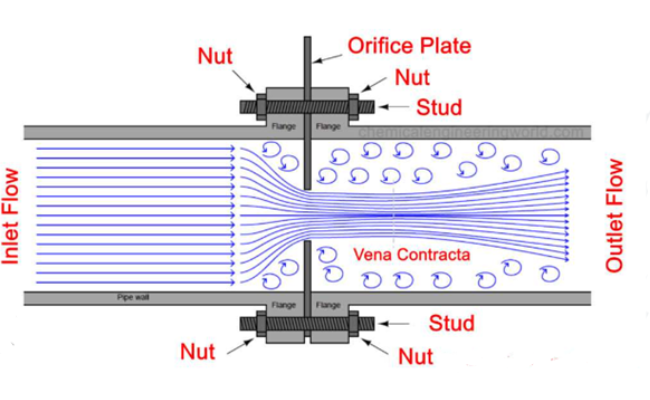
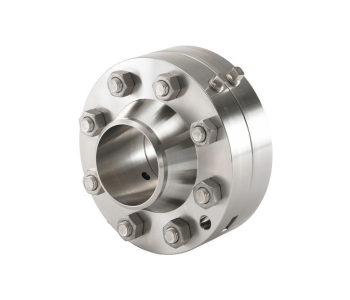
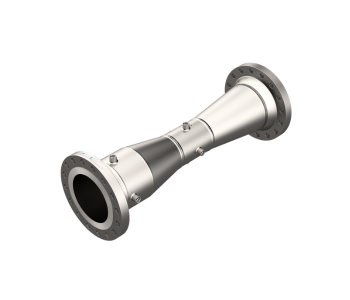
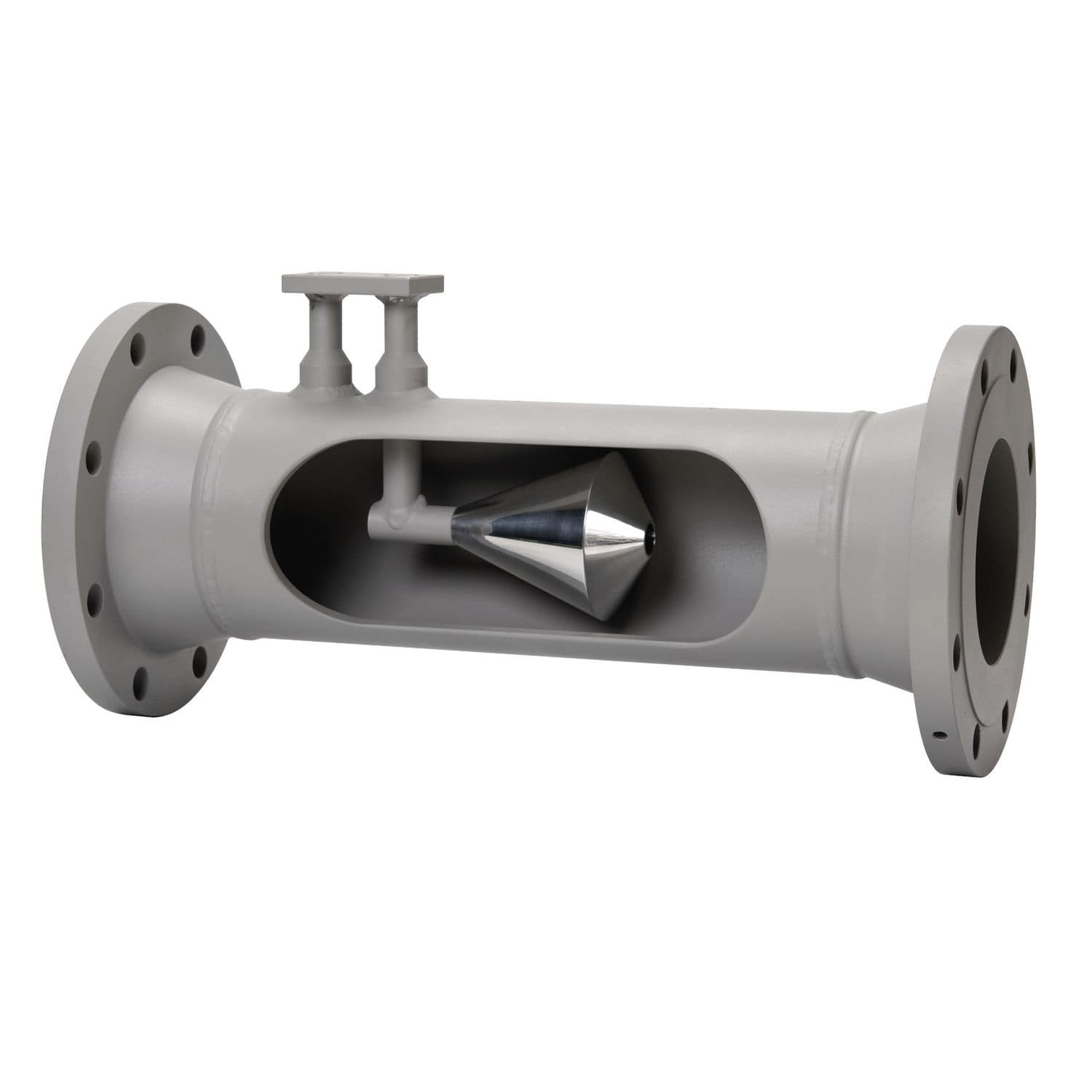
Fluid Flow : The fluid enters the pipeline and flows through a primary flow element such as an Orifice Plate, Venturi Tube, Flow Nozzle, Cone, Wedge, or Pitot Tube. This primary element is designed to create a controlled restriction in the flow path.
Flow Restriction : As the fluid passes through the restriction, the available flow area decreases. To maintain continuity of flow, the fluid velocity increases as it moves through the restricted section.
Differential Pressure Generation: The increase in velocity results in a corresponding decrease in pressure at the restriction point. This creates a measurable pressure difference between the upstream side (before the restriction) and the downstream side (after the restriction).
Pressure Measurement: Pressure tapping points located on both sides of the primary element are connected to a differential pressure transmitter. The transmitter continuously measures the pressure difference (ΔP) generated by the flowing fluid.
Flow Rate Calculation: The differential pressure signal is processed using established flow equations and calibration factors associated with the selected primary element. Since the flow rate is proportional to the square root of the differential pressure, the transmitter or flow computer calculates the actual flow rate of the fluid.
Signal Output and Monitoring: The calculated flow value is displayed locally or transmitted as a standard output signal such as 4-20 mA, HART, Modbus, or other communication protocols. This information can be integrated into PLC, DCS, SCADA, or process automation systems for monitoring and control.
Continuous Flow Measurement: The DP flow meter continuously measures the differential pressure and updates the flow rate in real time, providing reliable and accurate flow measurement for liquids, gases, and steam under a wide range of operating conditions.
DP flow meters are widely used in industrial applications due to their proven reliability, simple operating principle, broad application range, and ability to handle high-pressure and high-temperature processes. Their versatility makes them one of the most trusted flow measurement technologies across process industries worldwide.